Lyre Leaf Sage Herb Uses
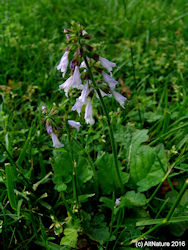
Salvia lyrata
Other Names: Cancerweed, Cancer Root, Lyre-leaf Sage, Wild sage
Salvia Lyrata is a medicinal and edible herb. As alternative medicine, it is carminative, diaphoretic, laxative, and salve. Lyre-leaved sage has some of the same properties of the other sages but is very weak. It is used mainly as a gargle in the treatment of sore throat and mouth infections. Medicinal salve made from root is applied to sores. Warm infusion of herb is taken as a laxative or for colds, coughs and nervous debility. This sage is not very strong tasting, and has a rather pleasant minty flavor, fresh young leaves are edible in salads, or cooked as pot herb.
Lyre Leaf Sage Habitat
Perennial native sage, common in dry woods, barrens, roadsides, lawns and waste places. Eastern N. America - Pennsylvania to Florida, west to Texas and Illinois. Cultivation: requires a very well-drained light sandy soil in a sunny position. Growing to about 16 to 24 inches in height with a square, slightly hairy, stem and produce whorls of blue or violet tubular flowers. The leaves form a basal rosette, are up to 8" long, and often have dark red or purple areas along the main veins, are irregularly cleft and some times lobed. Gather fresh young edible leaves in spring. Gather entire plant as flowers bloom, dry for later herb use.
Lyre Leaf Sage History and Folklore
Lyre-leaved sage is also a folk remedy for cancer (as the plant grows like a cancer upon the earth) it is therefore said to cure it. The fresh leaves are said to remove warts.
Recipe
Medicinal tea: To 1 cup water add 1 tbsp. dried herb, bring to boil, steep 10 min. strain, sweeten to taste, drink warm at bed time.
Article by Deb Jackson & Karen Bergeron
Disclaimer
The herbal information on this web site is intended for educational purposes only. It is not the intention of the editor to advise on health care. Please see a medical professional about any health concerns you have. These statements have not been evaluated by the FDA. The information on this web site is not intended to prevent, diagnose, treat, or cure any disease.