Mallows, Althea
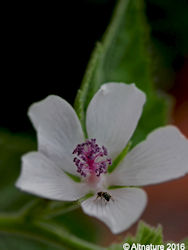
Malvaceae, Althea officinalis
Other Names (Marsh Mallow), Malva pusilla-(Low Mallow, Cheeses), Hibiscus palustris-(Swamp rose-mallow)
Althea and Mallows Herbal use
The flowers are edible and make an attractive addition to a salad. The leaves and roots abound in mucilage, Okra is also a family member. See more recipes for Marshmallow below.
The proven active constituents in these plants are Asparagine, Althein, Ascorbic-acid, flavonol glycosides (including gossypin-3-sulfate), Malvin, Pectin, Phenolic-acids, Quercetin, Salicylic-acid, and Sucrose. Mallows are analgesic, antitussive, demulcent, diuretic, febrifuge, highly emollient, slightly laxative and odontalgic.
Mallow or Hibiscus tea is well known in alternative medicine for its use as a demulcent to soothe throat inflammations and laryngitis, as an expectorant for coughs and bronchitis. It is used in the treatment of dysentery, lung ailments and urinary ailments. The tea is also taken for gastritis and enteritis or used as an enema for intestinal inflammations, and is an excellent laxative for young children. Used externally to wash wounds and sores or made into an emollient salve or poultice to soothe skin inflammations. The root is used as a toothbrush or pealed and given for teething children to chew. A decoction of the roots has been used to treat fevers and to reduce blood pressure. The seeds are also chewed as a nervine, stomachic and to sweeten the breath, also said to be aphrodisiac. Fragrant flowers are also used in potpourri.
Mallows and Althea Herbs Habitat
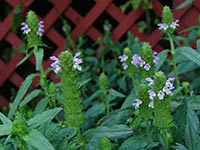
Mallows are perennial and annual growing wild along road sides and in waste places throughout most of North America and in cultivation. Most are native and easily cultivated in well drained soil and likes full sun to partial shade. In Low mallow the stem is more like a vine but has upright leaves and flowers. Fruits are round and flat and look like a sliced round cheese, hence the name cheeses or cheese plant. Low mallow has rounded, 5 to 7 lobed leaves that have rounded or scalloped teeth along the edge and long leaf stems. The leaves of Marsh mallow are more pointed and heart shaped, stems are upright and grow to about 4 feet. Both of these plants are covered with a fine down or hair. Rose mallow is a much larger plant with larger flowers and leaves are slightly to 3 lobes, not covered with down. The flowers in all are white to light purple or pink (dark purple center in rose mallow) with five petals and grow from the leaf axils (the point the leaf stalk attaches to the stem). Blooming from May to November. Low Mallow is gathered while in full bloom the above ground plant (best used fresh), collect roots of Marsh mallow in fall (used fresh or dried). Gather flowers, leaves and young buds from Rose mallow in bloom and roots in the fall.
Mallows and Althea Folklore
Pliny believed that Mallows would cure all the diseases of man. The ancient Celts believed that placing the disk shaped fruit over a dead (holy) mans eyes would keep evil spirits from entering the body in an attempt to get into heaven. According to the doctrine of signatures the hairs on the plant meant that it would help to grow hair.
Mallow Recipes
Cough syrup: Place 3 tbsp. fresh crushed herb in a cup cold water, let stand 8 hours. Press and strain, add to honey and lemon. Take in tbsp. doses as often as needed. Tea: To 1 cup cold water add 3 tsp. dried herb or root, or a cup fresh herb, let stand 8 hours. Press and drain, warm, and sweeten to taste. The root is used dried then ground into a powder, made into a paste and roasted to make the sweet ’marshmallow’. When boiled and then fried with onions it is said to make a palatable dish. The water left over from cooking any part of the plant especially the root, can be used as an egg-white substitute in making meringues, it is concentrated by boiling until it has a similar consistency to egg white.
Article by Deb Jackson & Karen Bergeron