Evening Primrose Herb
Oenothera Biennis
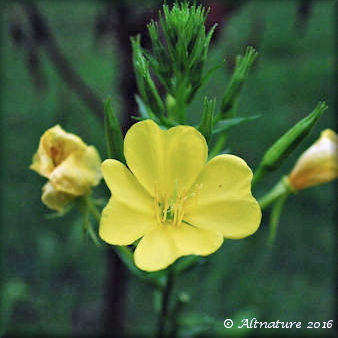
Other Names: Common Evening Primrose, Fever plant, Great Evening-Primrose, King's-cure-all, Night willow-herb, Scabish, Scurvish, Tree primrose
Evening Primrose is a tall biennial wildflower that blooms at sunset. The flowers will often remain open the next day during cloudy conditions, but fade quickly under bright sunlight.
Evening Primrose Herbal Use
Evening primrose herb is used extensively in herbal medicine and as a dietary supplement for many conditions.
Evening Primrose is cultivated for the oil contained in its seeds which contain certain the essential Gamma-linoleinc acid (GLA), a very valuable fatty acid that is not found in many plants. The seed oil is sold for skin care and use in cosmetics, and in soft-gels as a dietary supplement.
Preformed GLA is present in trace amounts in green leafy vegetables and nuts as well as the seeds of Evening Primrose, Borage, black currant and hemp seeds. The most significant source of GLA for infants is breast milk. GLA has numerous vital functions in the body. [2]
People use Evening Primrose oil dietary supplements for eczema (a condition involving red, swollen, itchy skin, sometimes caused by allergies), rheumatoid arthritis, premenstrual syndrome (PMS), breast pain, menopause symptoms, ADD, and other conditions. A small amount of evidence suggests that evening primrose oil might be helpful for diabetic neuropathy (nerve problems caused by diabetes). [1]
Uses and benefits of Evening Primrose have not been conclusively proven by science, according to the National Institute of Health. More research needs to be done.
Historical Medicinal Use of Evening Primrose
In spite of the "fact" that science hasn't assigned any benefits for Evening Primrose, it has been widely used for over 500 years in herbal medicine and is still used by many people.
- A tea was made from the Evening Primrose and used as a dietary aid or stimulant to treat laziness and “overfatness” as well as senility and debility.
- A hot poultice made from the pounded Evening Primrose roots was applied externally to treat bruises, piles and boils. Native Americans used the whole plant for bruises and its roots for hemorrhoids.
- Evening Primrose roots were chewed and rubbed onto the muscles to improve strength.
- The plant was used to treat pain associated with menstruation as well as bowel pain. [4]
- Evening Primrose leaves were traditionally used for minor wounds, gastrointestinal complaints, and sore throats. [1]
Precautions, Interactions and Safety
Evening primrose is considered safe for use by most people. It may cause headaches or upset stomach in some people, so it should not be taken on an empty stomach. Consult with a physician about use in pregnancy as Evening Primrose has not been determined safe for use by pregnant women. It may not be safe for people who are prone to seizures and schizophrenia. Discuss all use of dietary supplements with your doctor. Some herbs can have counteractions with prescription or over the counter medications. For an extensive list of precautions see Web-MD .
Evening Primrose Plant Edible Uses
The entire plant is edible. Evening Primrose has been cultivated for its nutritious edible roots. The first-year roots can be peeled and boiled for 20-30 minutes and served with butter. The early leaves are cooked and eaten as greens, and the roots are said to be sweet, peppery, and delicious when boiled like potatoes. Evening Primrose flowers are a sweet addition to salads or as a garnish. The young seedpods can be served steamed. The seeds can be used as a substitute for poppy seeds on baked goods. The entire Evening primrose plant was a staple food for many Native American tribes.
Evening Primrose oil has a short shelf-life of six months or less, and should be kept refrigerated to keep it from growing rancid.
Evening Primrose Recipe
Roasted seeds: Rotate and press dry seed capsules to release seed, roast in oven for 15 to 20 min. at 350 deg. Use on bread or in salad, sprinkle over any dish like pepper. Use leaves in tea. Read more about Evening Primrose edible use at Eat the Weeds website.
Evening Primrose Plant Description
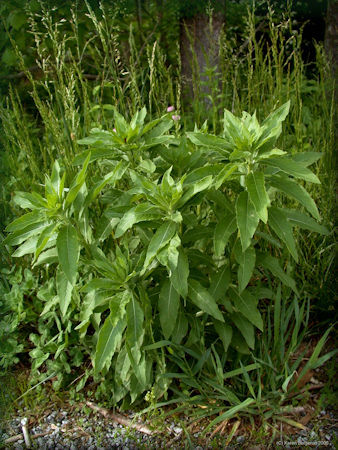
Evening Primrose is a North American native biennial wildflower found all over North American except for the desert and Rocky Mountains. It is naturalized in Britain as well as much of Europe, and cultivated in over fifteen countries for its seed oil. Evening Primrose prefers full sun but can often be found growing on the edge of the woods in part shade. It is in bloom from June to September. It grows by roadsides, railway banks and waste places in dry open soils, gravelly places, meadows and old fields but tends to look lanky and weedy in poor soil. It is sometimes considered an invasive weed.
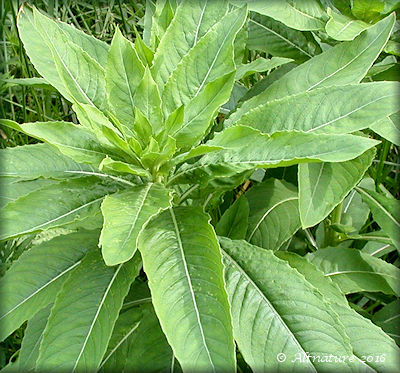
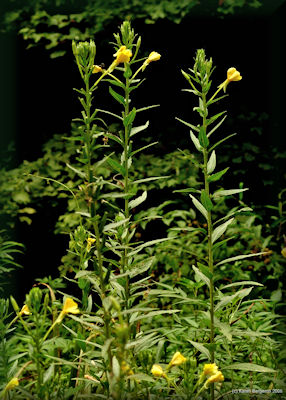
Evening Primrose is a tall wildflower, often 4 to 5 feet or more in height. The stem is erect, stout, soft-hairy, reddish, branching and forms a shrub-like appearance. Evening Primrose leaves are alternate, rough-hairy, lanceolate, about 3 to 6 inches long and lemon-scented. The taproot is elongated, fibrous, yellow on the outside and whitish within. The flower spikes grow on auxiliary branches all along the stalk. They are about 2-1/2 inched in diameter, bright yellow and have four petals, a cross-shaped stigma and a reflexed calyx (leaves under petals). The sweet-smelling flowers open in the evening with an aroma which attracts pollinating moths and close up during the day. The fruit is an oblong one-inch long capsule containing many tiny reddish seeds.
How to grow Evening Primrose
Evening primrose is easily cultivated from seed planted in fall or early spring. The seeds are ripe when the seed capsule begins to split open, usually in October. It prefers acid, neutral, and basic (alkaline) well-drained soil and grows best in full sun, but will tolerate part shade as long as it gets a few hours of sunshine a day. Evening Primrose plants will usually last two years and are self-sowing. In the south, the plant may behave as an annual, with rosettes forming during late fall and winter then blooming the following summer. Once it sets seed, it's done.
When Evening Primrose is grown in a landscape garden with rich soil and plenty of water, it hardly resembles the skimpy plants that you see growing in waste places and on roadsides. It loves limestone gravel, which can be added to soil to slowly increase lime content. You'll want to harvest the seedpods before they open, and thin out the rosettes of leaves the first year to prevent it from taking over. If it is allowed to self-propagate in fertile soil, such as a raised bed, a few plants will turn into a large colony within a few years.
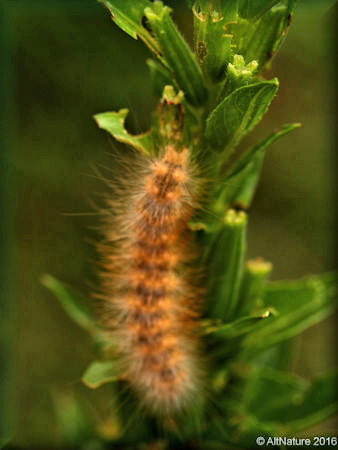
Hummingbirds visit the flowers to obtain nectar and insects to eat. The seed capsules provide food for many other birds during the winter months. It is thought that the plants are pollinated by night-visiting hawk moths, which feed on their nectar. Japanese Beetles prefer the leaves of common evening-primrose to those of other garden plants. [4] Bees will visit the fading flowers in early morning light.
Harvest some leaves at the first sign of beetle infestation and wash well before use. Continue to water and give organic fertilizer if desired. I used fish emulsion with good results.. By the time the beetles die, the plants may look hopelessly forlorn. However, the munching they endure seems to make the plant bushier when it recovers. It will grow new leaves, bush out and begin to flower about the time the beetles are gone for the season.
Sources
Websites
1. Herbs at a Glance - Evening Primrose- National Institute of Health
2. Gamma linolenic acid: an anti inflammatory omega-6 fatty acid.
3. Market Forecast for Evening Primrose Oil Marketwatch
4.USDA NRC Plant Guide - Evening Primrose
Books
Research Links
Searching for health beneficial n-3 and n-6 fatty acids in plant seeds
Gamma Linolenic Acid and Omega-3 Studied For Dry Eye
"The authors concluded that supplementing with GLA and omega-3 fatty acids for six months may help relieve chronic dry eye symptom in post-menopausal women. More research is needed to confirm and better understand these findings."
Anti-Inflammatory Effects of Gamma-Linolenic Acid (GLA)
Evening Primrose (Oenothera biennis) Biological Activity Dependent on Chemical Composition.
Extensive Information on Medicinal Uses of Evening Primrose based on clinical studies information.
Article originated by Deb Jackson & Karen Bergeron (c) 2000.
Updated and revised by Karen Bergeron 2/8/2021
All photos copyright AltNature and Karen Bergeron Shelton 1999-2021
Disclaimer
The herbal information on this web site is intended for educational purposes only. It is not the intention of the editor to advise on health care. Please see a medical professional about any health concerns you have. These statements have not been evaluated by the FDA. The information on this web site is not intended to prevent, diagnose, treat, or cure any disease.